NDIS Daily Living Skills
NDIS Services at You Belong Care

Assistance and Improved Daily Living Life Skills—NDIS support by You Belong Care
At You Belong Care, we specialize in delivering improved daily life skills empowered by NDIS participants with custom-created assistance with Improved Daily Living Skills NDIS development. We have a professional support team that will help in building confidence, help disabled people live an independent life, and help them manage everyday activities easily and effectively.
Whether you are in search of personal care assistance, meal preparation, or household tasks, or need any kind of development, essential life skills, including cooking and budgeting, or using public transport, our team will help you by offering support that is custom-created and personally designed based on your requirements. We have a team of experts to help you live a managed and balanced life. We help you with client-centric care and respectful services, balancing your routine and lifestyle. We promise to make you meet every service with reliability, compassion, and focused long-term growth.
Let You Belong Care to support you in living an independent life, making informed choices, and having complete control over your daily life. Give us a call today and partner with us to enjoy the NDIS support that keeps you as a priority.
How We Help: To Improved Daily Living Skills NDIS
Ask for the practical, tailor-made, and précised support to help NDIS participants ensure the essential improved daily life skills, including household tasks, personal care, communication, and making decisions. Our professionals focus on the independence enhancements, building confidence and improved daily living skills with tailor-made, respectful, and goal-centric assistance designed according to the unique set of requirements.
Health and Hygiene– Health is highly essential. With You Belong Care, our team keeps prioritising your well-being and ensures you have complete health and hygiene support under the Life Skills Services. Whether you are in search of personal grooming or hygiene routines or need the health living practices, we guide and support you to develop safe and consistent habits without compromising your independence, dignity, or long-term physical or mental well-being.
Shopping and Money Skills– At You Belong Care, we assist the NDIS participants to develop the practical shopping and money management skills required for everyday living. Our team assists you with creating a budget and helps you understand value for money with informed choices when you are shopping. Our support team empowers you to manage the finances with confidence and independence. We help you foster complete control over personal spending and decisions.
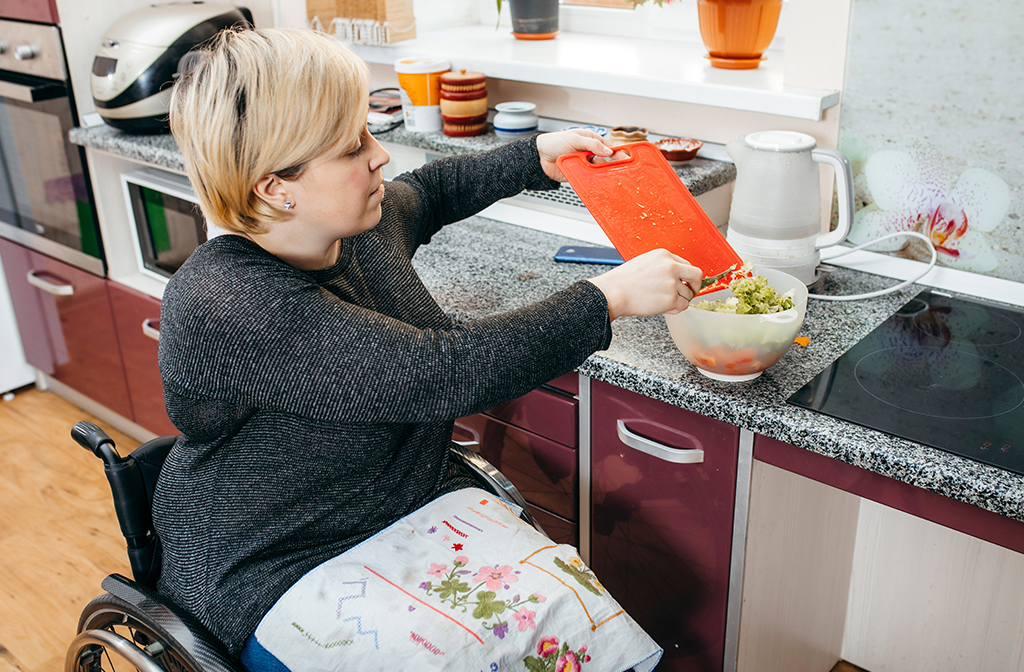
Cooking and Nutrition – You Belong Care supports NDIS participants in learning to prepare healthy and balanced meals or specialised diets according to their health issues, while also developing essential cooking skills. We help you with meal planning and grocery selection, ensuring safe food handling and basic cooking techniques. We help you with making the special nutrition requirements, creating independence, well-being, and confidence in the kitchen, according to daily living.
Transport and Community Access– With You Belong Care, we have an expert team that supports participants in building confidence and improved daily living skills required for travelling independently and engaging with the community. We assist you with using public transport to attend appointments, take part in social events, or community activities so that you can develop freedom, connection, and participation in everyday life, tailored to individual goals and abilities.
Personal Growth– At You Belong Care, our support team will make your journey towards personal growth a smooth process. It helps you build confidence, creates meaningful goals, and makes you develop positive routines. Our experts take you through a guide to learning and emotional support, and prepare the activities to improve daily life skill-building. Our focus is to empower the participants so they can overcome the challenges and have more self-esteem and learns to live a more independent, meaningful, and purposeful life accordingly.
Our Comprehensive Disability Living Support Services List
- Health & Hygiene
- Personal Care
- Shopping Assistance
- Money & Budgeting
- Nutrition Support
- Household Tasks
- Transport Training
- Hobbies & Recreation
- Community Participation
- Relationship Building
- Exercise & Physical Wellbeing
- Medication Assistance
- Meal Planning & Cooking
- Communication Skills Development
- Social Skills Training
- Time Management Support
- Digital Literacy (Using Phones, Apps & Technology)
- Support with Appointments & Scheduling
- Advocacy & Self-Advocacy Skills
- Home Safety Awareness
- Emotional Regulation Support
- Laundry & Ironing Skills

Improved Daily Living Skills Under NDIS Support
How Does NDIS Funding Work?
NDIS funding is designed to prepare individuals with the required support so they can achieve better independence and improved quality of life. With NDIS, the participants get the custom-created plans focusing on their goals and allocated funding in the special support categories, like Assistance with daily life. These funds can be used for accessing services like personal care, community access, life skills training, and many more. At You Belong Care, our team helps you understand and make the most of the plan by delivering high-quality and goal-oriented support. Our expert team delivers the services based on your requirements under budget and contributes to the real-time progress in daily living and overall well-being. It can be obtained with a simple process, including:
- Check Eligibility- Apply for the same through NDIS to check your qualifications.
- Prepare A Plan- Meet with the NDIS planner to discuss your goals and needs.
- Get Funded Support- Now, the approved plan will discuss the funding for support, such as daily living skills.
- Discuss With Us- Contact. You are responsible for delivering the services.
- Review Progress- We will review your progress regularly to ensure that everything is met as per the changes required.
Who Can Access This NDIS Support?
Assistance with Daily Living skills can be accessed by the eligible participants under the NDIS who are funded through:
- Capacity Building Supports that support improved daily living
- Core supports that will offer assistance with daily life
You can check if your NDIS plan is included in the categories, and then you will be considered eligible for the service. Seeking any help for understanding the plan or guidance related to assistance with daily life from NDIS coordinators and behavior support? Then you can check our process, and we will ensure that you will get the most out of your funding.
Why Choose You Belong Care?
Choosing the right NDIS provider is what will help you improved daily living skills Under NDIS. With You Belong Care, we ensure you receive personalized care provided by the skilled professionals who are committed to focusing on making you reach your goal. We work with a flexible approach, respectfully, and create a custom plan to empower you each step of the way. Given are the reasons why you should choose us:
Custom and Client-Centric Support
We design the service plan that revolves around your preferences, goals, and lifestyle. We have an expert team who will understand the personal requirements, needs, and aspirations. We make you meet with the daily living skills or community access. Get meaningful, relevant, and focused long-term outcomes when relying on us, as we make you feel supported, valued, and in control of progress.
Highly Qualified and Compassionate Staff
We have an expert, friendly, and genuinely committed team working hard day and night to make you achieve what you are looking for. Our support workers are professionally trained and NDIS complaints who understand what reliability and empathy mean when you are seeking assistance with daily life. We create relationships based on trust, comfort, and respect.
Flexible and Reliable Services
We ensure to make a fit in your life, so whether you are in search of daily, weekly, or special occasions’ support, our services are well-designed to be responsive and adaptable. You will get on-time support, a consistent routine based on your choice and preferences, which gives you the freedom to live a life.
Reliable NDIS Support
We are a fully NDIS Support in Craigieburn, ensuring you meet high standards. We are a reliable name delivering you quality assured, fully transparent, and regulatory compliance services. Rely on our trained team when seeking trustworthy support, ongoing guidance, and full commitment so that you can live an independent life.
Make A Step Towards Assistance With Daily Life NDIS From The Industry’s Best
You Belong Care empowers you to live an independent life with improved daily living skills and NDIS support from the leaders in the industry. Contact us today to start your trusted NDIS provider journey with the name you can trust for improved daily living skills.
Frequently Asked Questions
What are Improved Daily Living Life Skills under the NDIS?
Improved Daily Living Life Skills are supports funded by the National Disability Insurance Scheme to help participants build independence in everyday activities. These supports focus on developing essential skills such as communication, personal care, budgeting, and problem-solving.
What activities are included in Improved Daily Living Life Skills?
This support includes a wide range of activities such as cooking, cleaning, personal hygiene, money management, social skills, and travel training. Programs are tailored to each participant to improve confidence and independence in daily life.
Who is eligible for Improved Daily Living Life Skills funding?
NDIS participants may be eligible if the support aligns with their goals and helps improve their independence. Funding is typically included under the Capacity Building budget when it is considered reasonable and necessary.
How do Improved Daily Living Life Skills help participants?
These supports help participants gain confidence, increase independence, and improve their ability to manage daily routines. Over time, participants can rely less on support workers and become more active in their community.
Who provides Improved Daily Living Life Skills support?
Qualified NDIS providers such as support workers, therapists, and trainers deliver these services. Providers create personalized plans to help participants learn and practice essential life skills in real-life settings.
How can I include Improved Daily Living Life Skills in my NDIS plan?
You can request this support during your planning meeting with the National Disability Insurance Agency. Clearly explain your goals and how life skills training will help improve your independence and daily functioning.